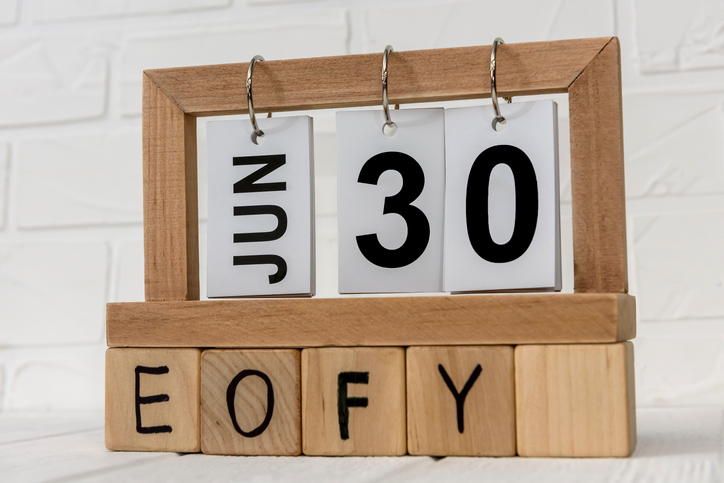
As EOFY (end of financial year) approaches, individuals, investors, and business owners have a limited window to review their finances and implement tax-effective strategies.
The weeks leading up to June 30 are not just about compliance—they present an opportunity to improve your overall financial position heading into the new financial year. From managing deductible expenses to reviewing loan structures, early preparation can make a measurable difference.
This guide outlines key EOFY tax planning strategies and a practical financial checklist to help you prepare.
Why EOFY Planning Matters
End of financial year (EOFY) planning is about timing, structure, and awareness.
Many financial decisions—such as when to incur expenses, how investments are managed, and how debt is structured—can influence your taxable income and cash flow. Acting before June 30 allows you to take advantage of current-year deductions and align your finances more effectively for the year ahead.
With ongoing cost-of-living pressures and interest rates still relatively elevated, even small improvements can have a compounding impact over time.
EOFY Financial Checklist: Key Areas to Review
1. Prepaying Deductible Expenses
Bringing forward certain expenses into the current financial year may allow you to claim deductions sooner.
This can apply to:
- Interest on investment loans
- Property-related expenses
- Professional services or subscriptions
Prepaying eligible costs before June 30 can reduce taxable income for the current year, though eligibility depends on your individual circumstances and should be confirmed with a tax professional.
2. Reviewing Your Loan Structure
Debt structure plays a significant role in financial efficiency, particularly when distinguishing between deductible and non-deductible debt.
For example:
- Interest on investment loans is generally tax-deductible
- Interest on owner-occupied home loans is typically not
EOFY is a useful time to assess:
- Whether your current loan setup aligns with your financial goals
- If refinancing could reduce your interest rate or improve flexibility
- Whether restructuring debt could enhance tax efficiency over time
3. Making Additional Superannuation Contributions
Superannuation can be a tax-effective way to manage income while building long-term wealth.
Strategies may include:
- Making concessional (pre-tax) contributions to reduce taxable income
- Reviewing unused contribution caps from previous years
- Exploring government co-contributions for eligible earners
Contribution limits and eligibility rules apply, so it’s important to ensure compliance with current regulations.
4. Reviewing Investment Portfolios
EOFY is often used as a checkpoint for investment performance and tax positioning.
Consider:
- Whether capital losses can be used to offset capital gains
- Rebalancing underperforming assets
- Reviewing dividend income and distributions
It’s important to avoid “wash sale” arrangements, where assets are sold and repurchased primarily to generate a tax benefit, as these are restricted by the ATO.
5. Small Business Considerations
For business owners, EOFY planning can have a direct impact on both tax outcomes and cash flow.
Key areas include:
- Assessing eligibility for the instant asset write-off
- Reviewing outstanding liabilities, including any ATO obligations
- Evaluating financing arrangements and working capital needs
Planning ahead can also help position the business more effectively for the new financial year.
6. Understanding Your Cash Flow Position
EOFY planning is not solely about reducing tax—it’s also about clarity.
Having a clear understanding of:
- Income and expenses
- Debt obligations
- Upcoming financial commitments
can support better decision-making and reduce financial stress heading into the next financial year.
Common EOFY Mistakes to Avoid
While EOFY presents opportunities, there are also common pitfalls:
- Leaving decisions until late June, limiting your options
- Focusing only on tax outcomes, without considering long-term financial impact
- Overlooking loan structures, which can significantly affect cash flow
- Making decisions without advice, particularly for complex strategies
Taking a measured and informed approach is key.
Preparing for the New Financial Year
EOFY should not be viewed in isolation. The actions taken now can influence your financial position well into the next year.
This is also an appropriate time to:
- Review your interest rates and lending arrangements
- Reassess financial goals
- Ensure your overall strategy remains aligned with your circumstances
Final Thoughts
EOFY tax planning is ultimately about being proactive.
By reviewing your financial position early and taking deliberate steps before June 30, you can improve both your immediate tax outcome and your longer-term financial trajectory.
As always, individual circumstances vary, and professional advice should be considered before implementing any financial or tax strategy.