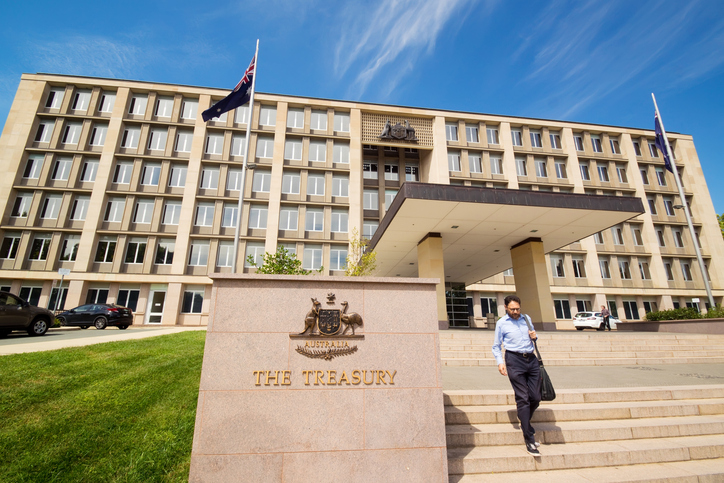
The 2026 Federal Budget has arrived at a time when many Australians are still feeling the effects of higher living costs, elevated interest rates, and tighter household budgets.
While the Budget itself does not directly determine interest rates, it can still have a meaningful impact on lending, borrowing capacity, consumer confidence, and the broader property and finance markets.
This year’s Budget places a strong focus on housing supply, cost-of-living relief, infrastructure investment, and support measures aimed at maintaining economic stability. For homeowners, first home buyers, vehicle purchasers, and business owners, several measures may influence financial decisions over the coming year.
Housing & First Home Buyers
Housing affordability remains one of the Government’s central concerns, with additional funding and policy support directed toward increasing housing supply and improving access for first home buyers.
Key initiatives include:
- Expanded support for first home buyers
- Additional investment in housing and infrastructure projects
- Continued backing for low-deposit purchasing pathways
- Measures aimed at increasing housing construction over the medium term
In practical terms, increased housing supply may gradually help moderate price pressures in some markets, while first home buyer programs could improve accessibility for eligible Australians entering the property market.
For borrowers, these policies may also encourage stronger competition among lenders as more buyers re-enter the market.
Interest Rates & Lending Conditions
Although the Reserve Bank of Australia (RBA) operates independently from the Federal Government, Budget settings can still influence the broader economic environment that shapes future rate decisions.
The Government’s focus on easing cost-of-living pressure while supporting economic growth may help stabilise consumer confidence and spending patterns over time.
At the same time, lenders continue adjusting their policies in response to:
- Inflation trends
- Employment data
- Consumer spending
- Property market activity
- Funding costs and competition between banks
As a result, lending conditions remain dynamic, with some lenders continuing to offer competitive rates and specialised loan products despite ongoing economic uncertainty.
Cost-of-Living Relief & Household Cash Flow
Several Budget measures are designed to improve disposable income and reduce financial pressure on households, including:
- Energy bill relief
- Targeted tax reductions
- Infrastructure and transport investment
- Measures aimed at easing everyday living expenses
While these initiatives may not directly lower borrowing costs, they can improve household cash flow and, in some cases, strengthen borrowing capacity by reducing ongoing expenses.
For many Australians, improved cash flow may create greater flexibility to:
- Refinance existing loans
- Consolidate higher-interest debt
- Upgrade vehicles or assets
- Prepare for future property purchases
Vehicle Finance & Asset Lending
The Budget’s continued emphasis on infrastructure, transport, and business productivity may also have indirect benefits for vehicle and asset finance markets.
Many lenders remain highly competitive in areas such as:
- Personal car loans
- Electric and hybrid vehicle finance
- Commercial vehicle lending
- Equipment and machinery finance
- Business asset lending
As economic conditions evolve, borrowers may continue to benefit from lender competition across these categories, particularly where strong credit profiles and stable income can be demonstrated.
What Business Owners Should Watch
Small businesses continue to face challenges associated with higher operating costs, wage pressures, and elevated borrowing expenses. However, the Budget also includes measures aimed at supporting productivity, investment, and infrastructure development.
For business owners, this may create opportunities to:
- Invest in equipment or fleet upgrades
- Improve cash flow management
- Review existing lending structures
- Access finance for expansion or operational efficiency
Lenders remain active in supporting well-structured business lending applications, particularly where businesses can demonstrate resilience and strong financial performance.
The Outlook Ahead
While uncertainty remains around future RBA decisions and inflation trends, the 2026 Federal Budget signals an ongoing effort to support households, encourage housing activity, and maintain economic momentum.
For borrowers and businesses alike, the coming year is likely to present both challenges and opportunities as lending markets continue to evolve.
Understanding how these broader economic settings interact with lending conditions can help borrowers make more informed financial decisions — whether purchasing property, refinancing existing debt, financing a vehicle, or investing in business growth.